General Maintenance

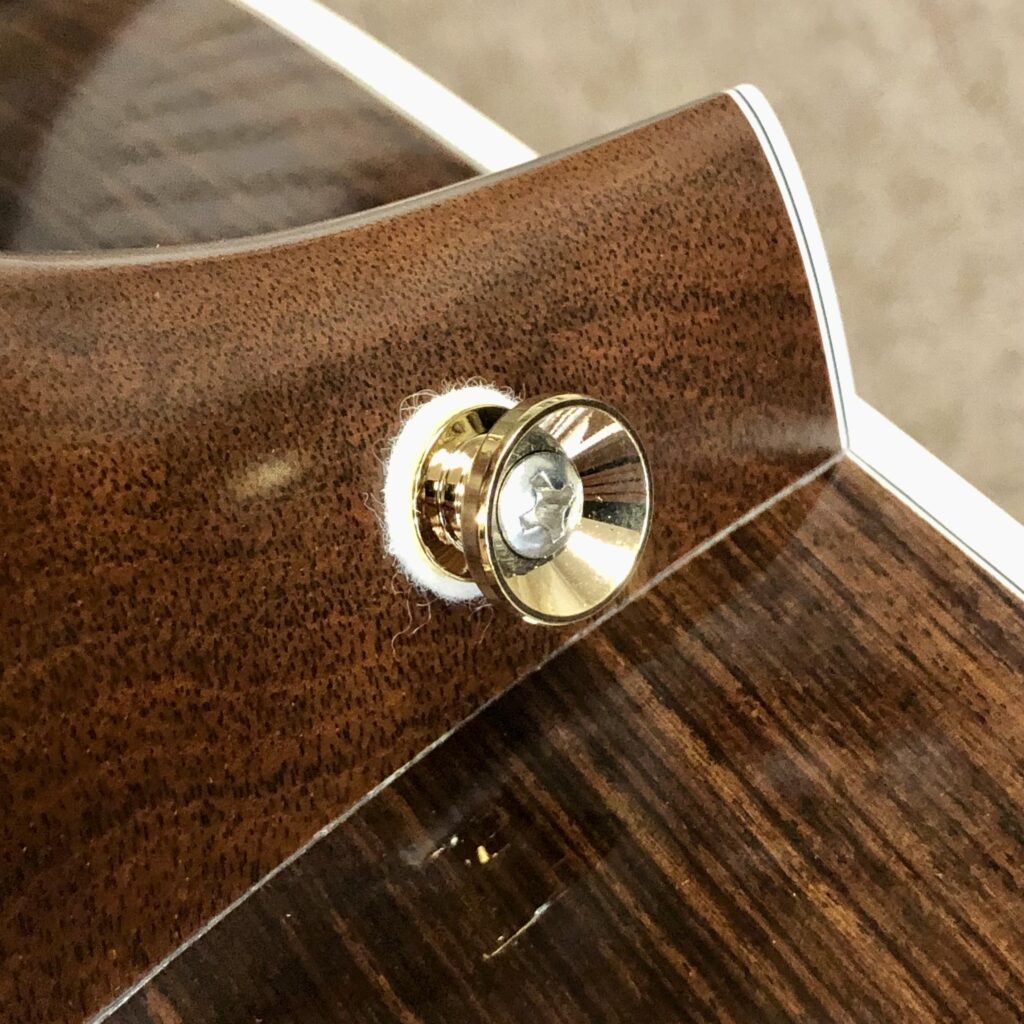
Acoustic Strap Buttons

A guitar strap allows the player to securely position the instrument in a comfortable spot without the need to physically hold it. They can be useful whether playing seated or standing.

Strap buttons are the connecting points that let the user easily secure and/or remove the strap as needed. Each guitar strap needs needs two points of contact. On an acoustic guitar, these points are typically the endpin and either the headstock or the heel.

Acoustic Strap Buttons Read More »
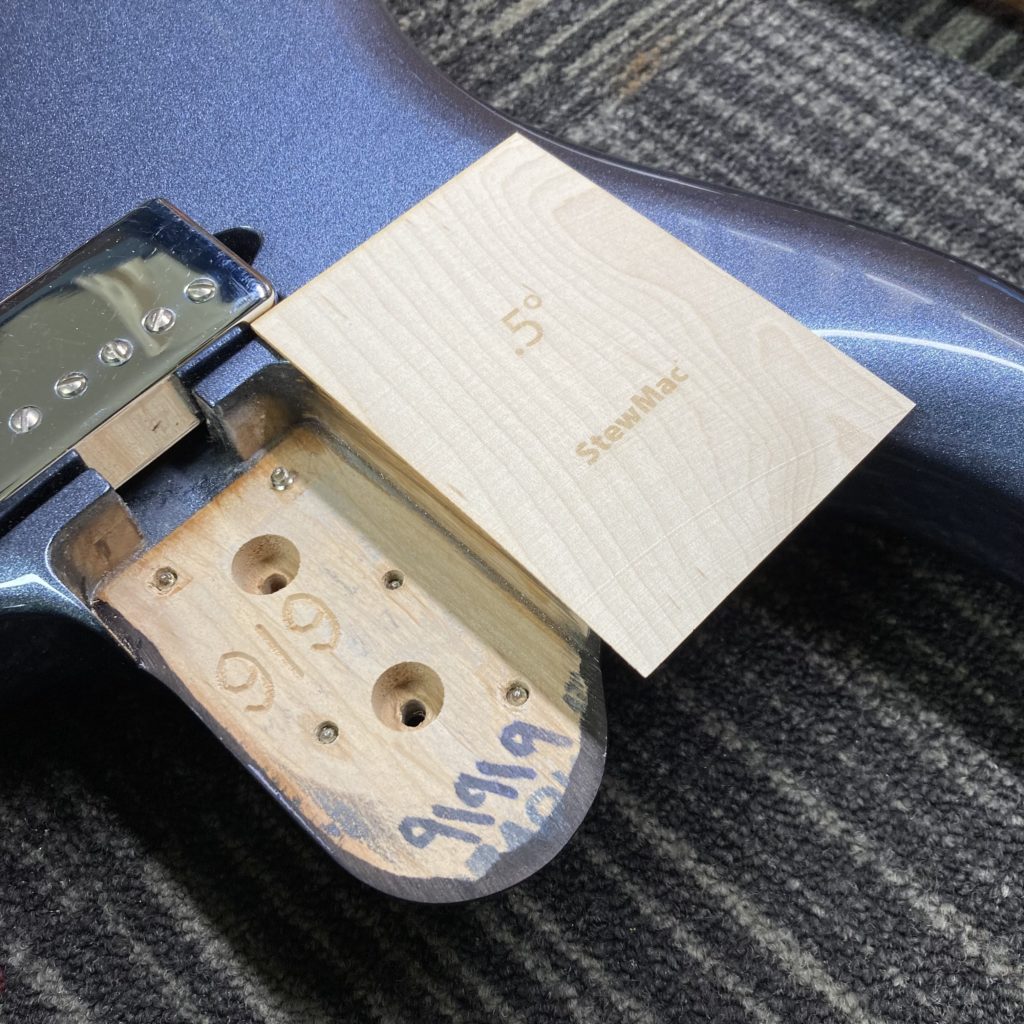
Electric Guitar Neck Shims

When performing a setup on a bolt-on necked electric guitar, shims are a way to quickly adjust the angle at which the neck joins the body, facilitating the desired action adjustment.

We commonly find improvised shims installed in the neck pocket. They range from purpose-built plastic shims to a hodgepodge of items like sandpaper, cardboard, and/or guitar picks. In our shop, we prefer to make make full length, angled, shims.

Electric Guitar Neck Shims Read More »

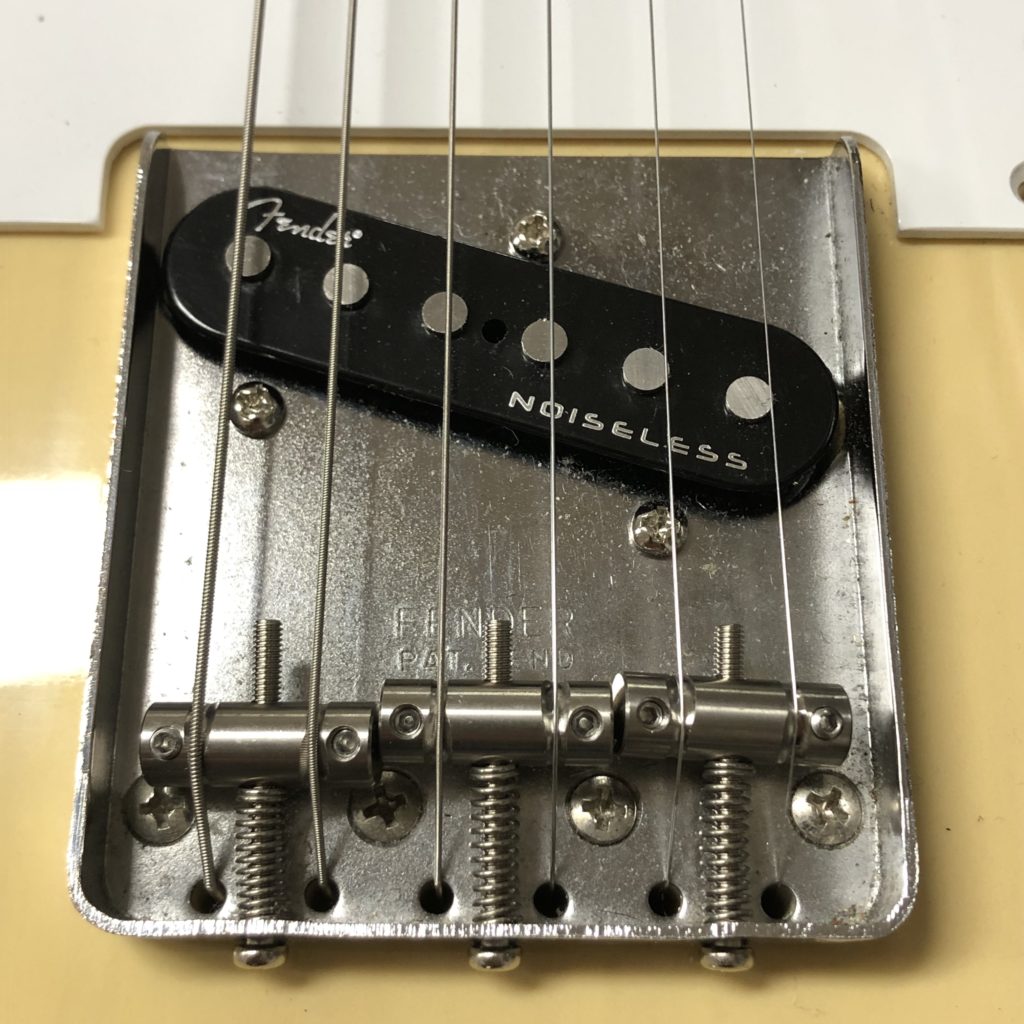
Telecaster 3 Barrel Saddle Upgrades

There is an easy upgrade option that can dramatically improve the intonation of 3 barrel saddle equipped Fender Telecaster guitars without significantly altering the look or originality of the instrument: Compensated 3 barrel saddles. Compensated Telecaster saddles overcome the limitations of shared saddles in one of two ways. While each string will still not be individually adjustable, the strings will sit at predetermined intervals, much like a compensated acoustic guitar saddle, that are much more conducive to accurate string-to-string intonation.

Telecaster 3 Barrel Saddle Upgrades Read More »

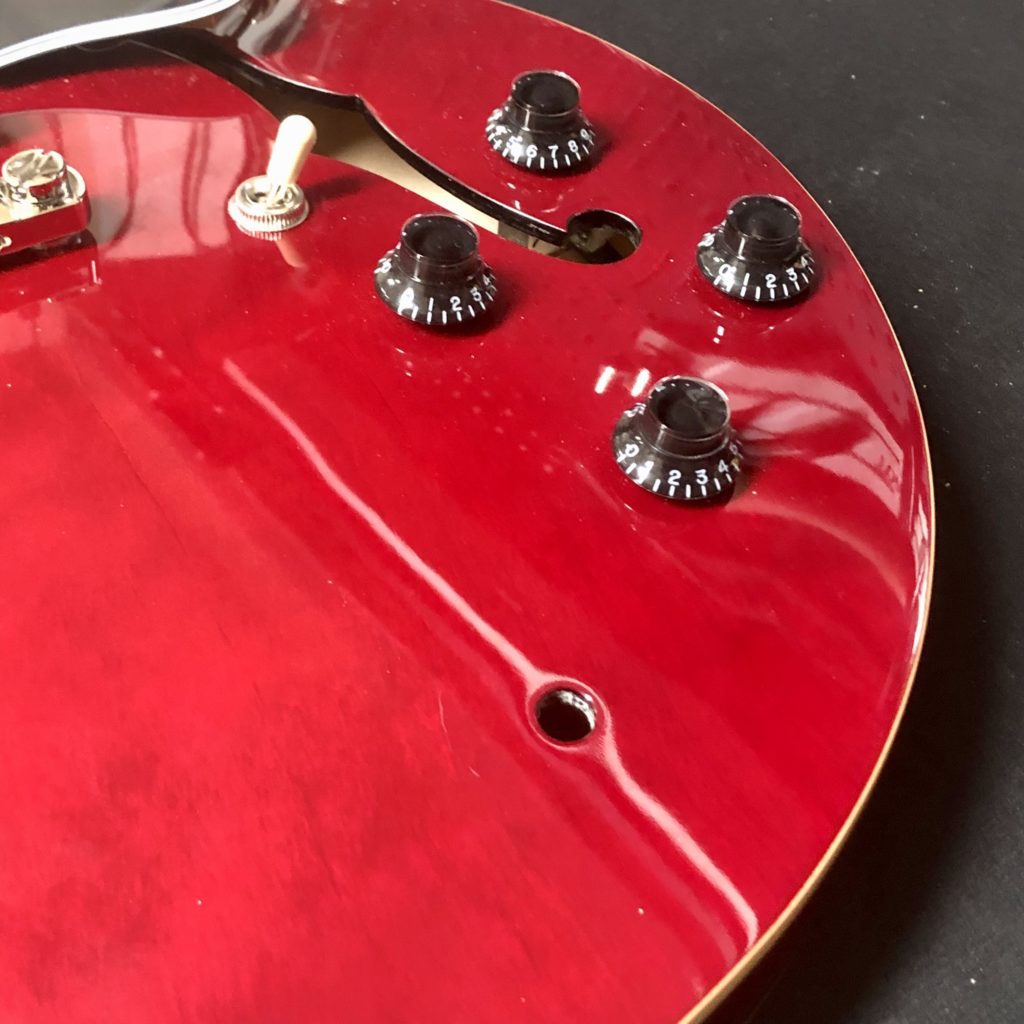
Sunken Jack Syndrome – Gibson / Epiphone 335

This Epiphone 335 model guitar came into shop with the output jack stuck inside of the body. The nut and washer that had once secured the jack to the top of the instrument had come loose allowing the jack to drop inside. In shop, we call this “sunken jack syndrome”; This happens fairly frequently on hollow body and semi-hollow guitars such as the venerable 335 model produced by both Gibson and Epiphone, as well as various other similarly styled models including many of those made by Gretsch Guitars.

Sunken Jack Syndrome – Gibson / Epiphone 335 Read More »

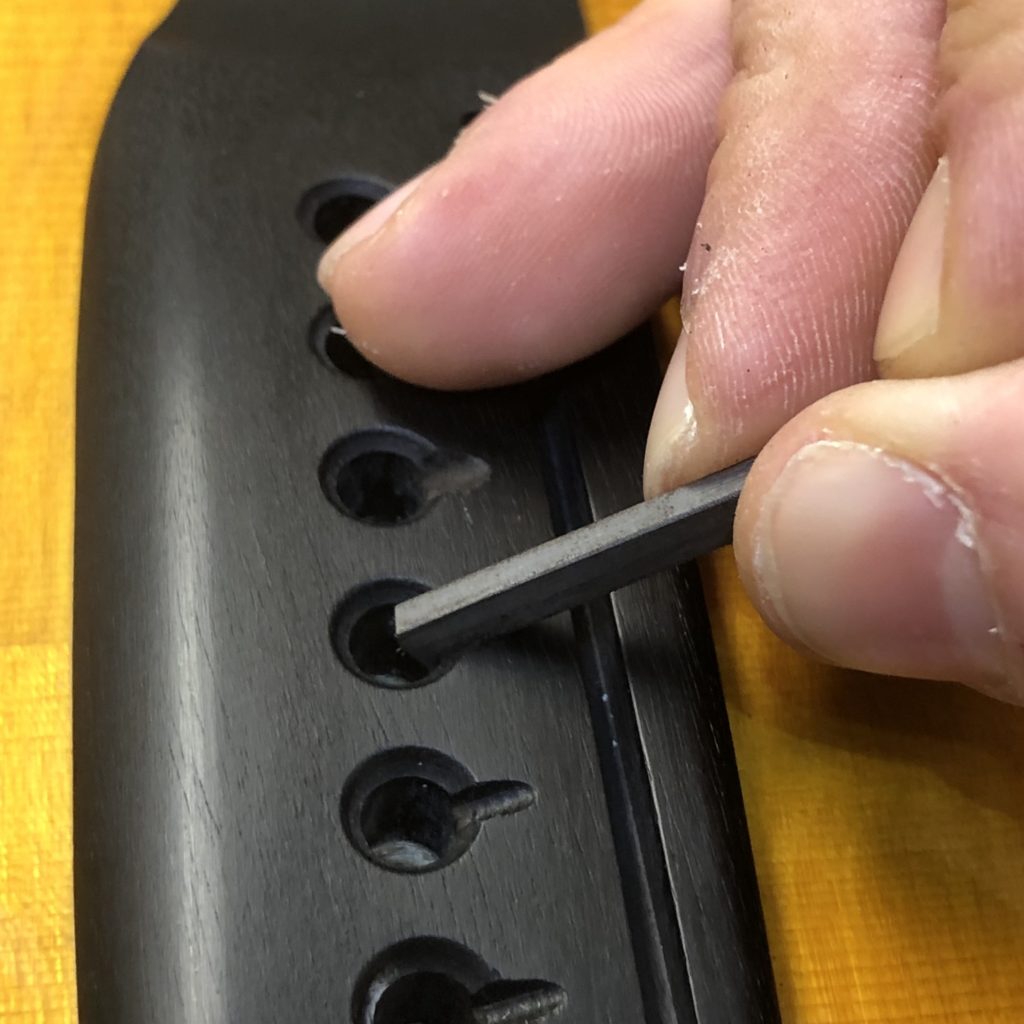
Acoustic Guitar Bridge String Ramping

An acoustic guitar’s bridge and saddle work together to anchor and suspend the strings on the guitar body. During a setup, raising or lowering the saddle is one of the key adjustments to an instrument’s action. However, there are limits as to how far the saddle can be adjusted in either direction.

Acoustic Guitar Bridge String Ramping Read More »

Installing a Pre-slotted String Nut

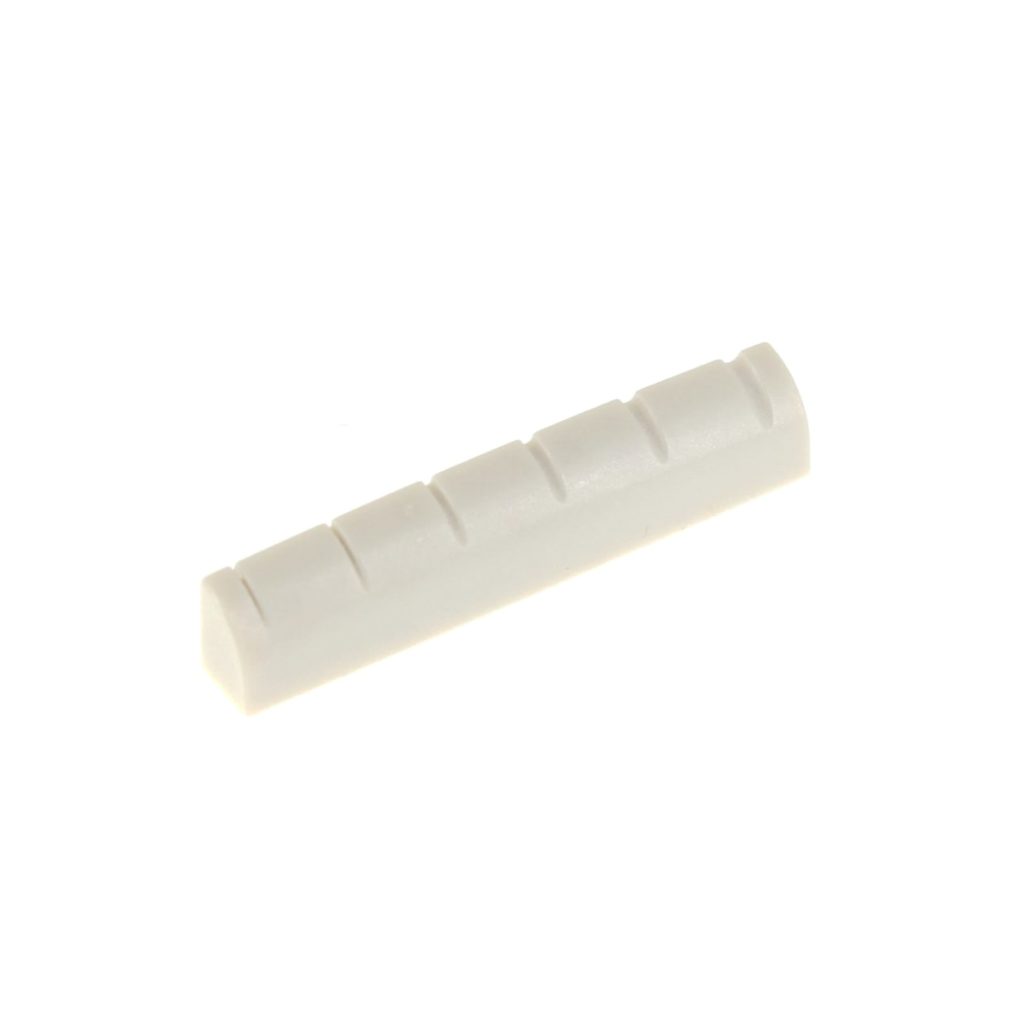
A Pre-slotted string nut is one that has been manufactured so that the bulk of preliminary shaping and slotting has been done. This shortcuts some of the early steps that are required when hand-cuting a nut from a blank.

The benefit of these products is clear; They are a time saver for our busy shop and are more cost effective for our clients. We carry a variety that have been designed to fit popular instruments from brands like Fender, Gibson, Taylor, and Martin.

Installing a Pre-slotted String Nut Read More »

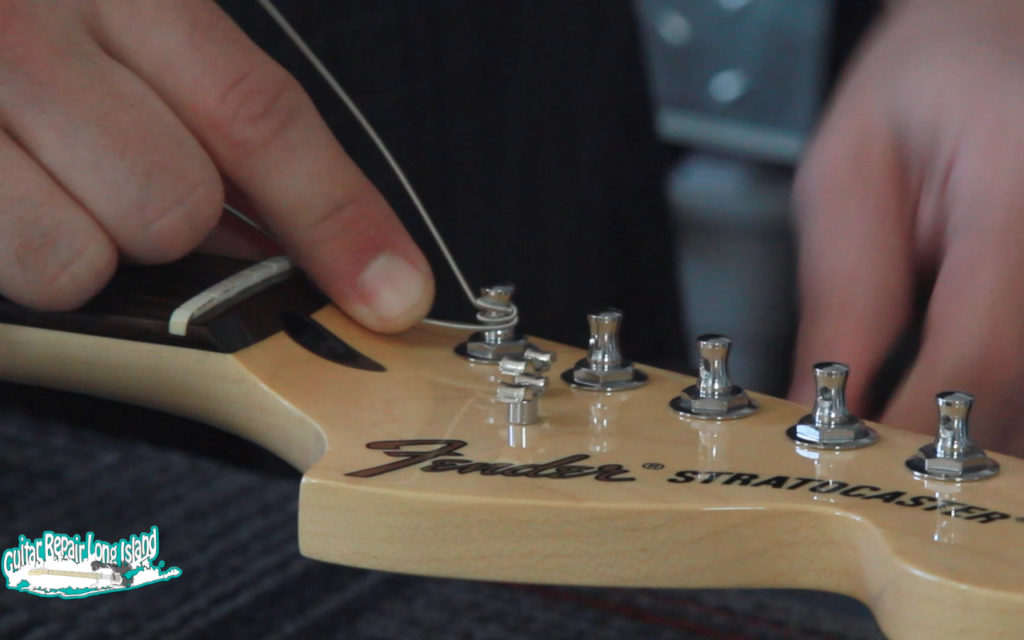
Restringing an Electric Guitar

Strings are perhaps the single most important part of a guitar; Every other part of the instrument is designed to support or enhance the vibration produced by a picked or plucked string. A good set of strings is the first step in maintaining the best sound from your instrument.

Put another way, the guitar string is not unlike fuel to a car; Without them the guitar doesn’t go, they are consumed by the process, and they require regular replacement! As such, basic restringing is a necessary skill that we strongly encourage guitar players to learn how to do for themselves.

Restringing an Electric Guitar Read More »

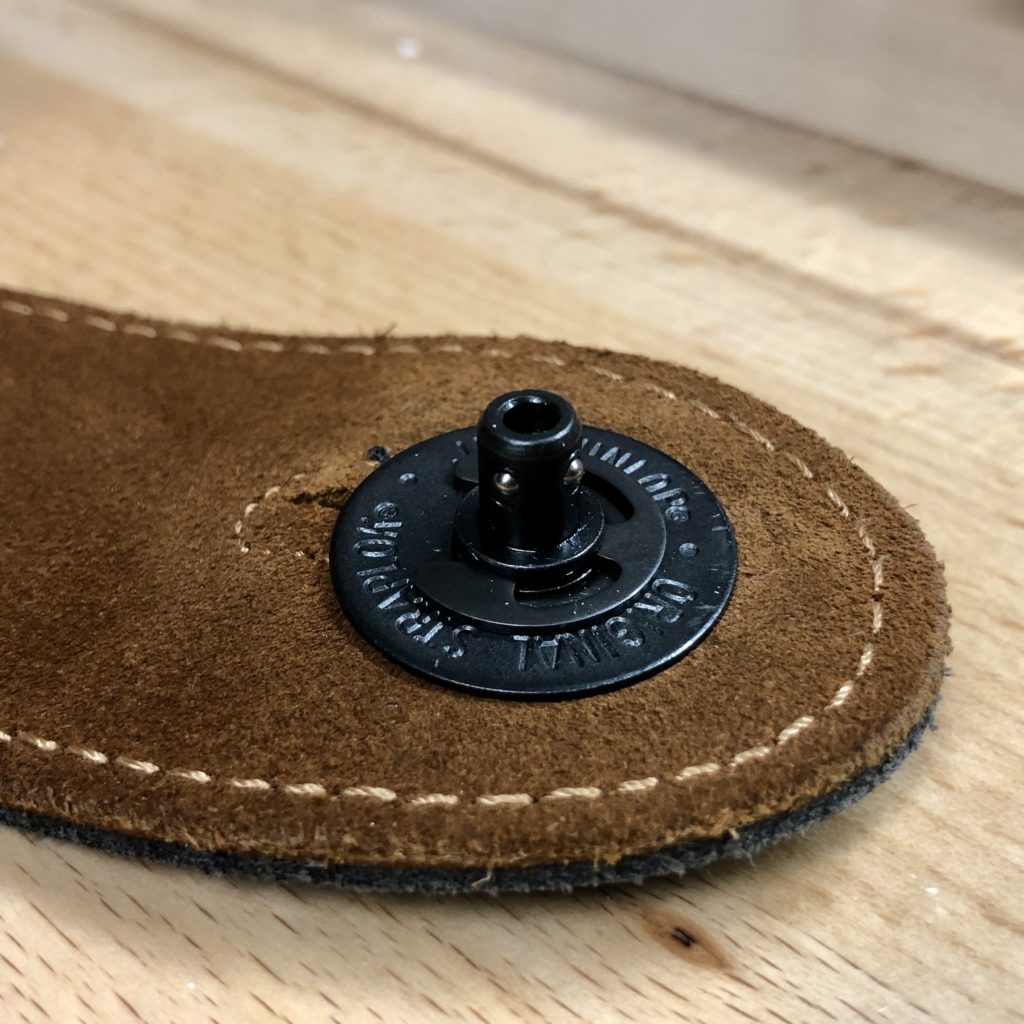
Guitar Strap Lock Installation

Whether playing seated or standing, a guitar strap is a helpful tool for keeping your instrument in a comfortable playing position. Typically attached to two points on the guitars body called “strap buttons”, when new, a guitar strap may be so tightly fit as to be difficult to get on and off of the instrument’s standard strap buttons. Overtime the strap becomes broken in and as the material of the strap brakes down the straps attachment points may eventually become dangerously loose. If the strap fails the guitar may fall to the floor.

The addition of strap locks provide a convenient way to securely install and remove your instruments strap. Though fairly easy to install, it is worth taking a few moments to look at the most popular styles and discuss the proper way to attach them.

Guitar Strap Lock Installation Read More »

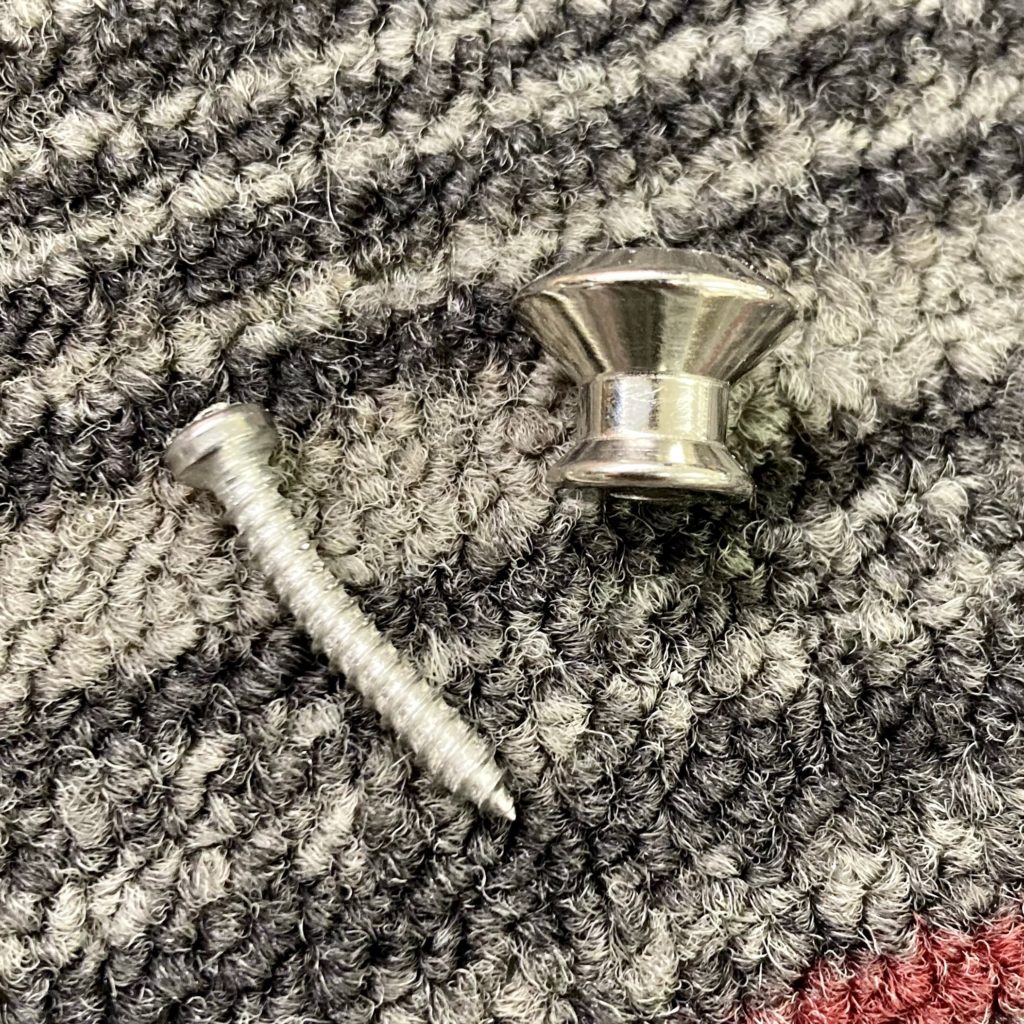
Stripped and Broken Screws on Guitars

Solid body electric guitars typically use a variety of wood screws to secure the different components such as tuning machines, strap buttons, bridges, and pickguards to the body. The use of common wood screws provides a quick and secure method for installation and the eventual removal of the hardware when required. Though typically reliable, factors such as incorrect installation and storage, or heavy use, can lead to the need for maintenance and repair.

Stripped and Broken Screws on Guitars Read More »

Electric Guitar String Ground

Potential sources of EMI are all around us: cell phones, radios, computers, and fluorescent lights are just a handful of common sources. To compound the issue, the human body is a natural antenna for electromagnetic interference.

To eliminate the EMI that a player inherently adds to the signal, a wire is attached in such a way as to connect the guitar strings to the instrument’s electronic ground. 

While the player touches the strings, this wire effectively cancels out the noise that a players body adds to the signal by giving it a path to ground. This crucial length of wire is known as the “String Ground Wire”.

Electric Guitar String Ground Read More »

Sign-up for our Mailing List

Subscribe

* indicates required