General Maintenance

Mitchel’s PlateMate

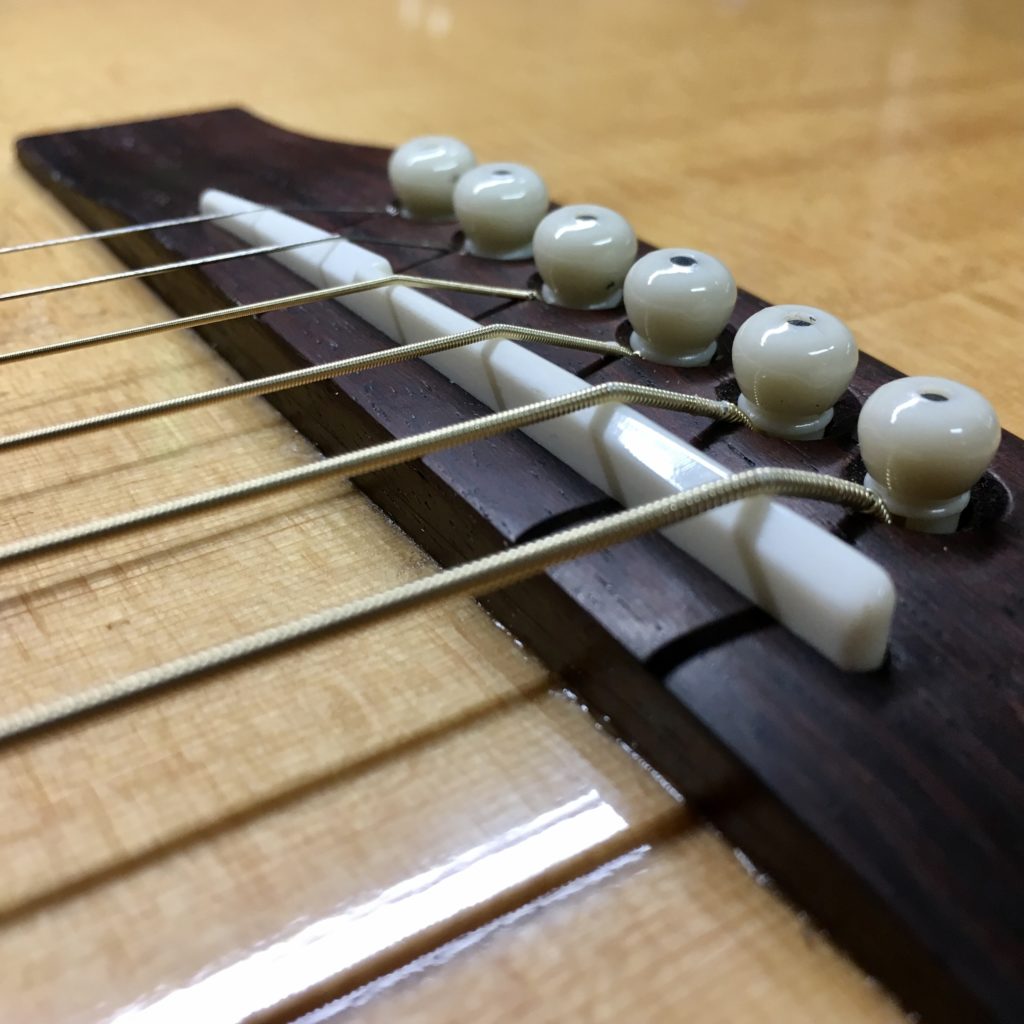
The bridge plate is an integral part of the internal support structure of an acoustic guitar. As part of the bracing system, it helps to support the instrument top and resist the pulling force exerted upon the instrument by the strings.

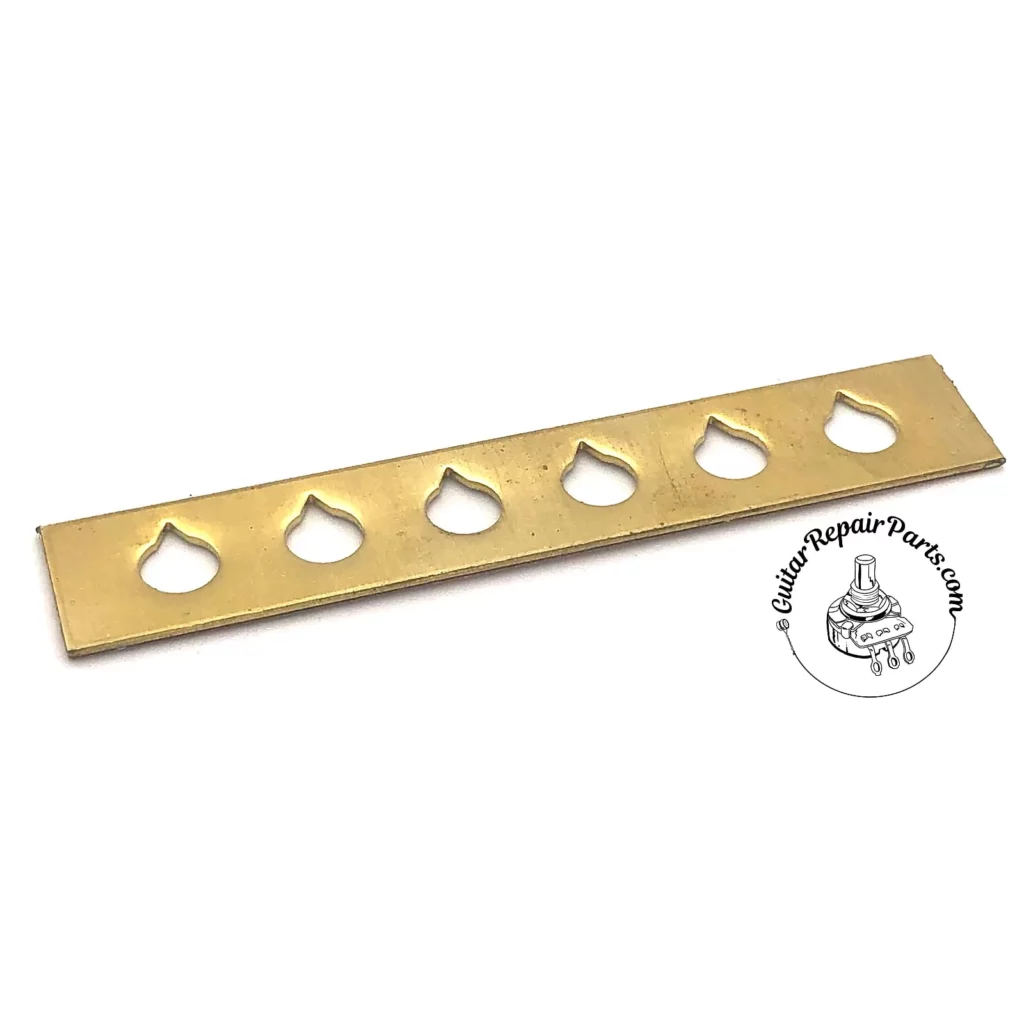
Mitchel’s PlateMate is designed to protect your guitar’s bridge plate from damage caused by ball-end strings. It is made from solid brass and installs in minutes. Should the need arise, the plate can be removed almost as easily!

Mitchel’s PlateMate Read More »
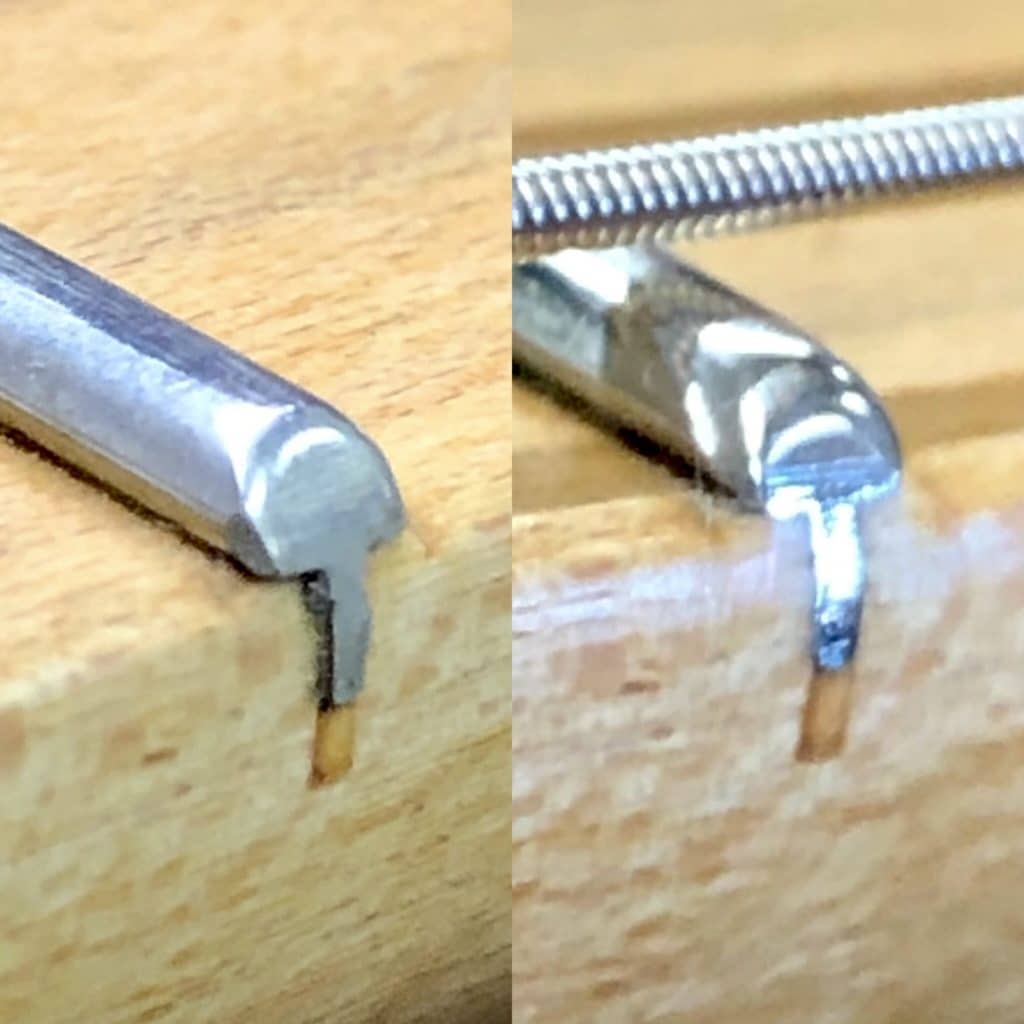
Fret Sprout – Sharp Fret Ends

Sharp or poorly shaped fret ends can be a real drag on your playing. When mild, it is an annoyance; Severe cases however can render an instrument effectively unplayable without risking cuts to the player’s hand. Careful filing of the fret ends is the only way to remove the excess metal and get the frets flush to the side of the neck.

Fret Sprout – Sharp Fret Ends Read More »

Making An Acoustic Guitar Saddle

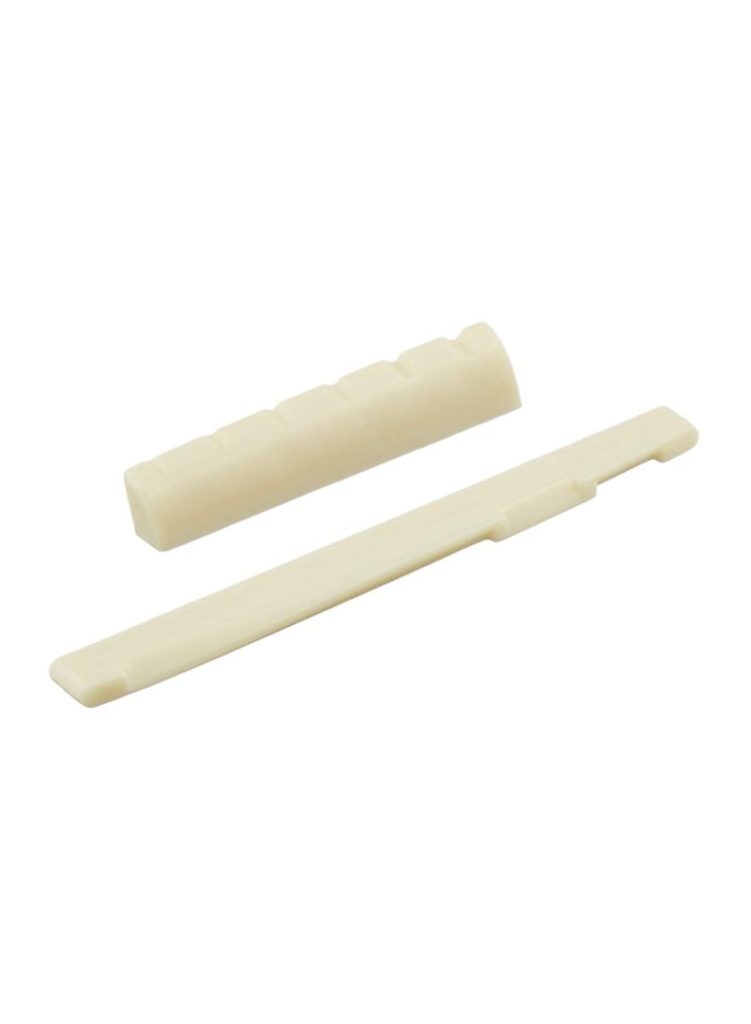
The saddle is a vital part of an acoustic guitar. Protruding above the bridge, it is one of the primary action adjustment points for the instrument. Without a well made saddle, proper setup will not be possible. Though they can be made from many different materials, for this article, we will be focusing on the process of hand cutting a new acoustic guitar saddle out of a piece of bone.

Making An Acoustic Guitar Saddle Read More »

Replacing Crumbling Vintage Tuning Machine Buttons

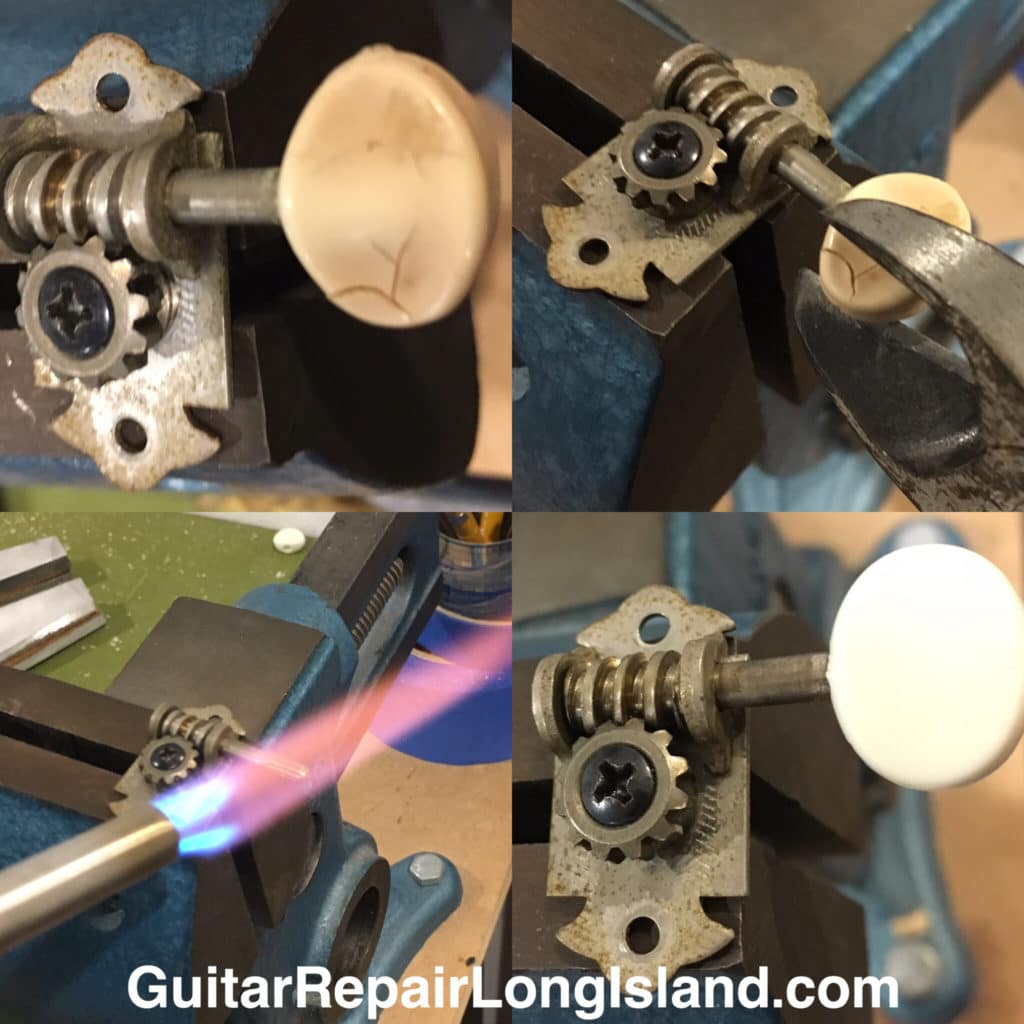
Shrunken, crumbly, plastic tuning machine buttons are not uncommon on vintage instruments. As it ages, plastic breaks down. This makes the plastic brittle. Eventually, the tuning machine’s buttons deteriorate to the point that they can no longer hold up to the pressure exerted upon them from normal use. If forced, they may fall apart entirely. This can make restringing or even simply tuning the instrument impossible

Replacing Crumbling Vintage Tuning Machine Buttons Read More »

Guitar Humidification

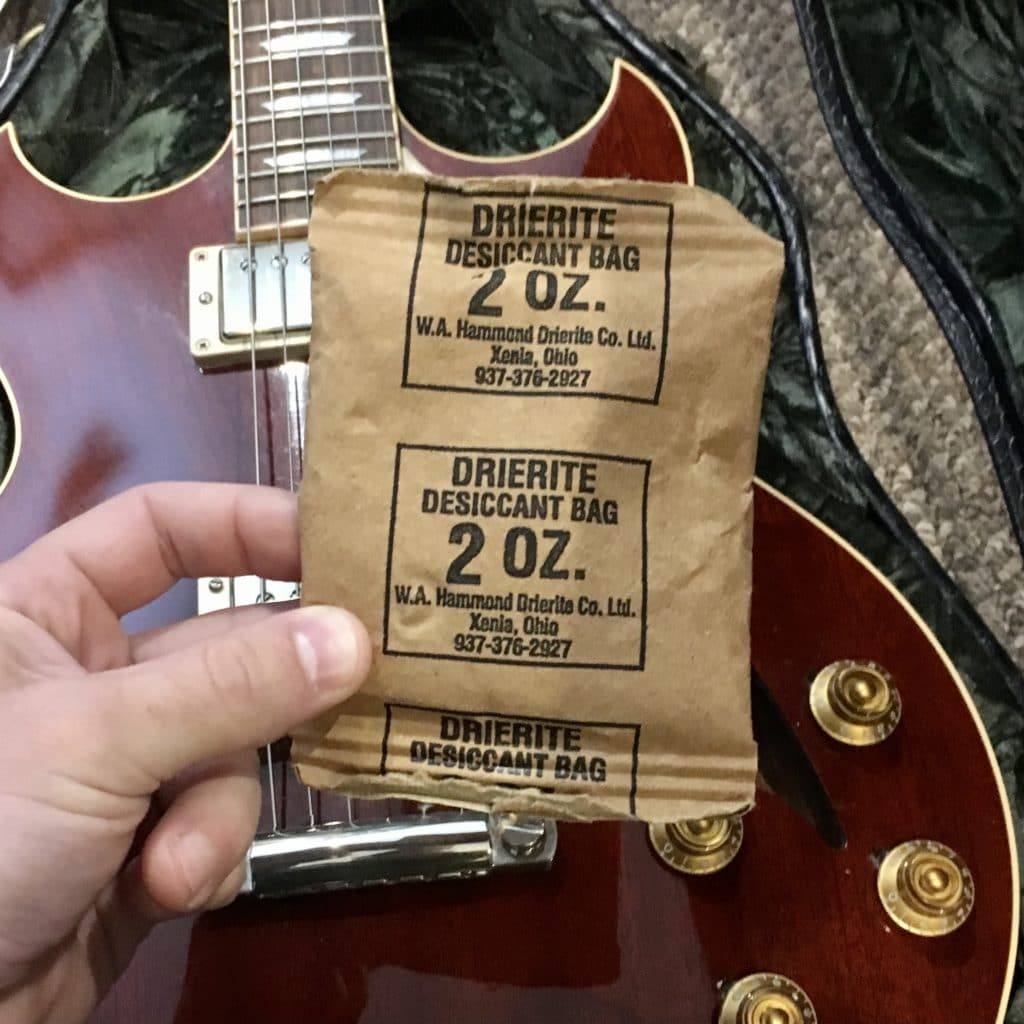
It’s easy to forget that wooden musical instruments are made of materials that were once part of the trunks of living trees. In their past life, their function was to transport water from the tree’s roots to its leaves. Towards this end, wood is what’s called “hygroscopic”. This means that the moisture content will change depending on the relative humidity of the surrounding air. When humidity increases, the wood absorbs moisture from the air causing the wood to expand. If the humidity decreases, it releases its water into the air and the wood shrinks. Though a fascinating marvel of the natural world, this property does present a complication for owners of musical instruments. 

Guitar Humidification Read More »

Guitar String Recycling

Musical instrument strings are not recycled through municipal recycling programs. That means that strings cannot be put in the recycling bin at the curb. As a result, it is estimated that more than 1.5 million lbs. of instrument string metal could be put into landfill every year.

Fortunately, TerraCycle and D’Addario have partnered to create a free recycling program for instrument strings and clippings. Calico Guitarworks is proud to participate in this great initiative.

Guitar String Recycling Read More »

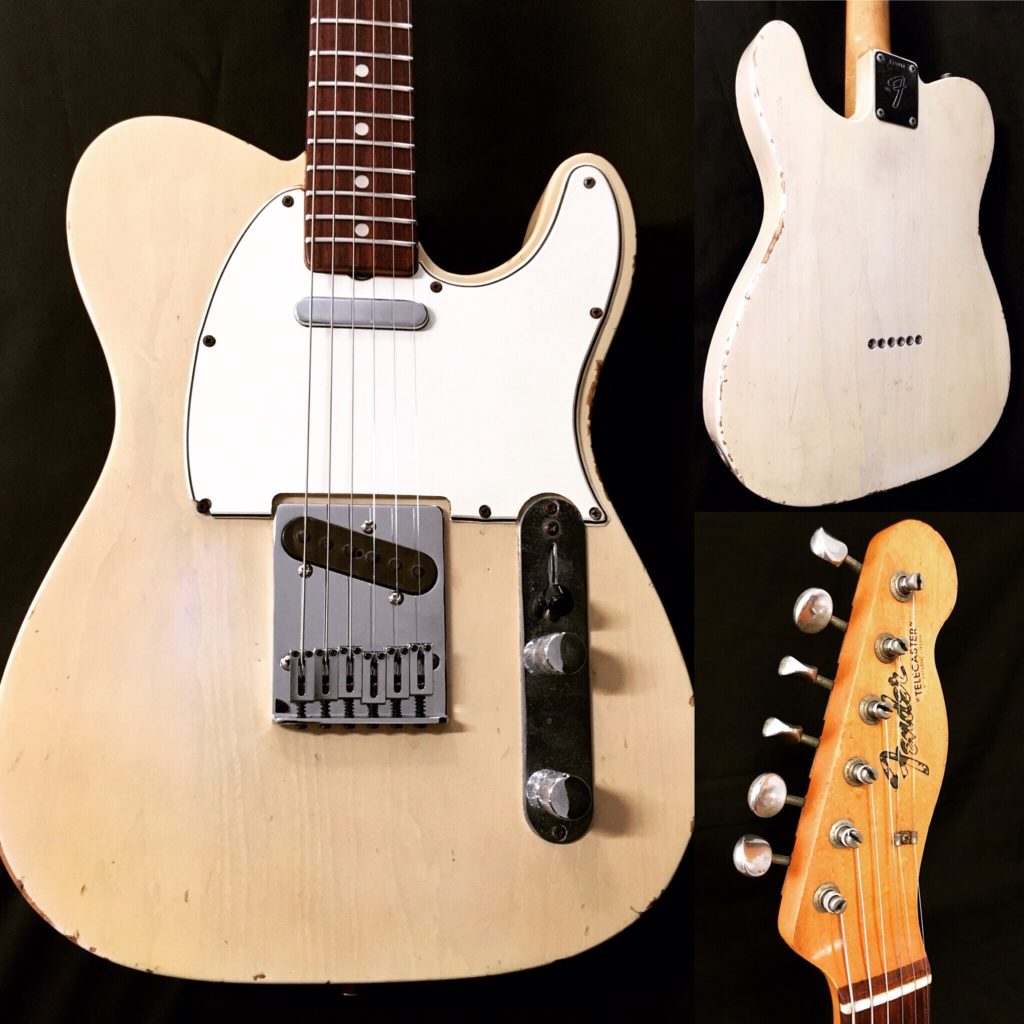
How To Test A Guitar Before Buying

There are many things to consider when shopping for a guitar or bass. It is easy to get blinded by excitement and overlook problems that might be right in front of your eyes! 

After finding what is hopefully the model you want, in the right color, at a price you can afford, you will next want to be certain the guitar is healthy. The following checklist contains the types of things that we look for during an instrument evaluation.

How To Test A Guitar Before Buying Read More »

Guitar Action Adjustment

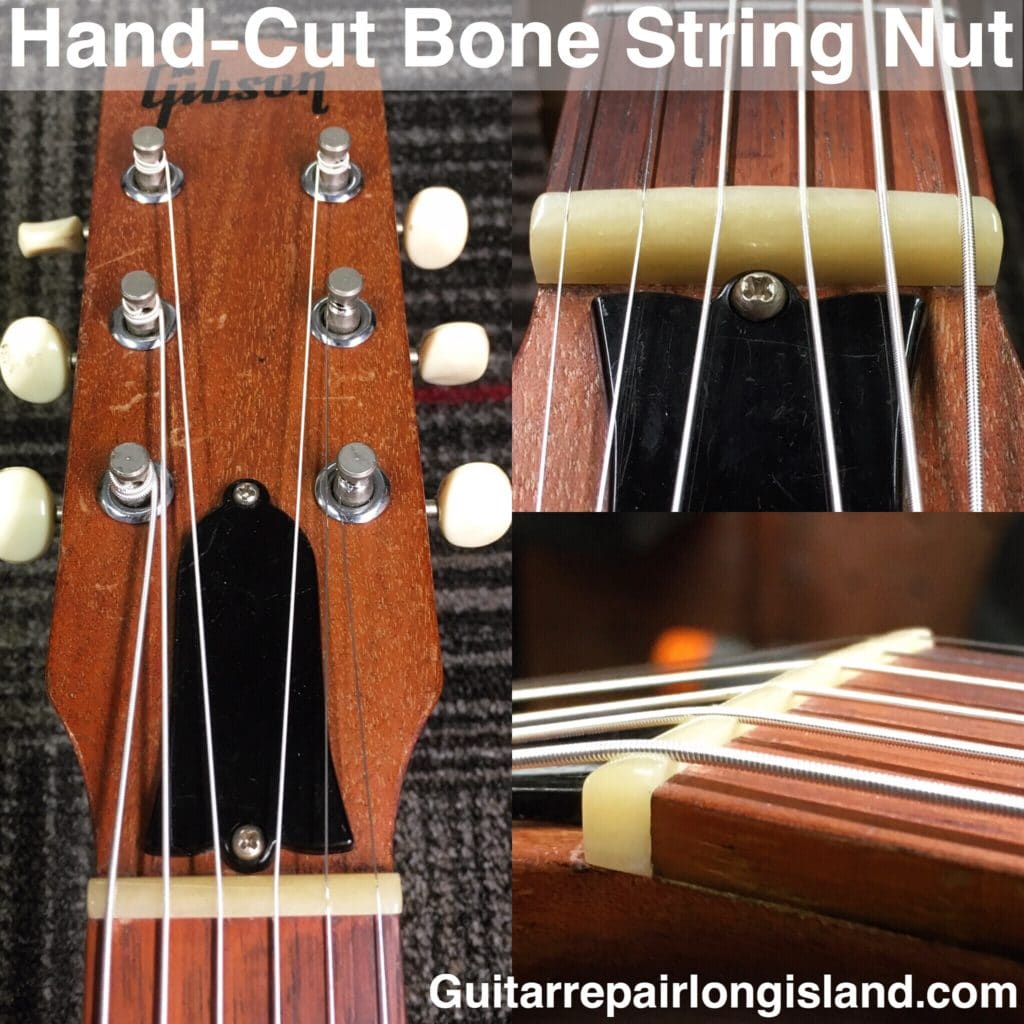
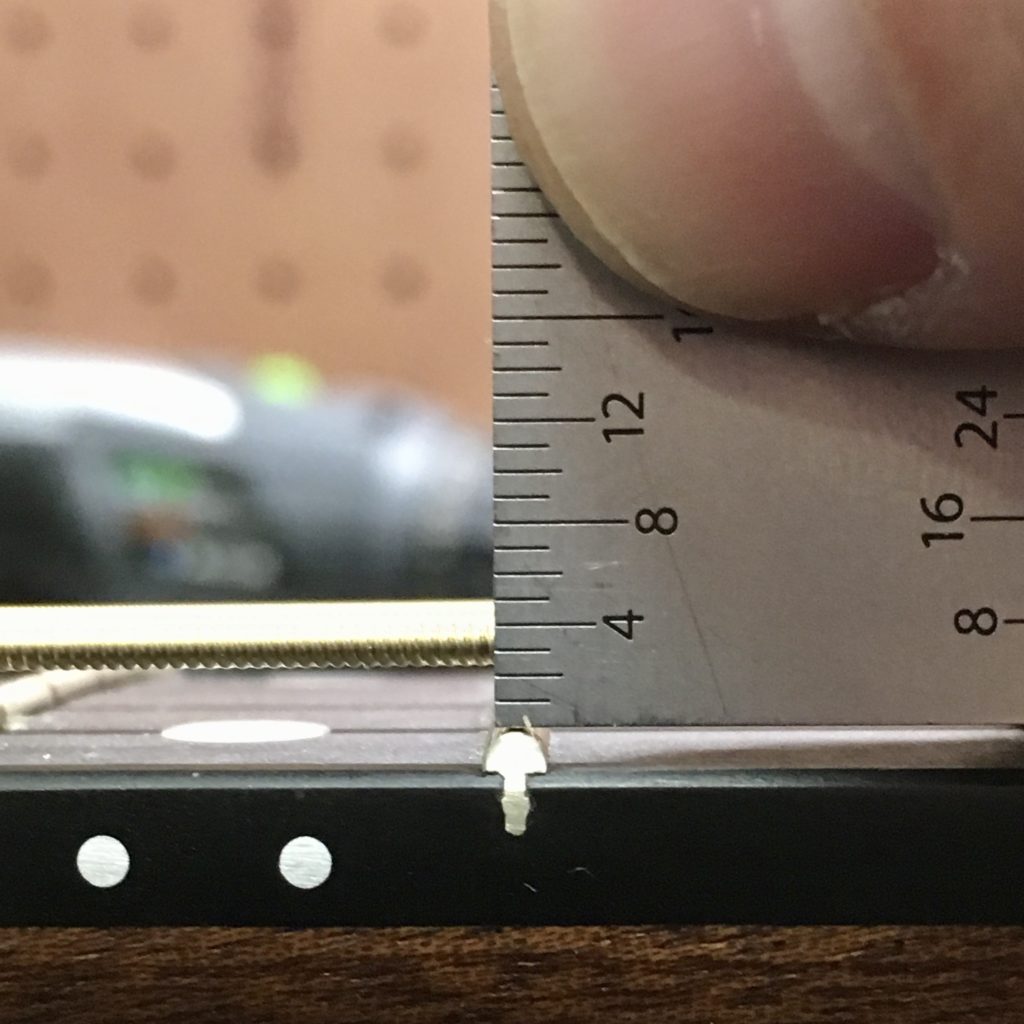
The guitars “action” refers to the height of the strings in relation to the top of the frets. The action being either “too high” or “too low” are among the more common complaints that bring clients into the guitar shop. If the action is too high, strings far away from the fretboard, the guitar can be difficult to play and may not intonate properly. If the action is too low, strings very close to the frets, the guitar may have an audible chattering or a muted buzz in certain positions as the strings vibrate against the frets.

Depending on personal taste, guitarists strive to have their playing action fall somewhere in-between those two extremes. The “sweet spot” is as varied as the instrument and its owner.

Guitar Action Adjustment Read More »

Sign-up for our Mailing List

Subscribe

* indicates required